
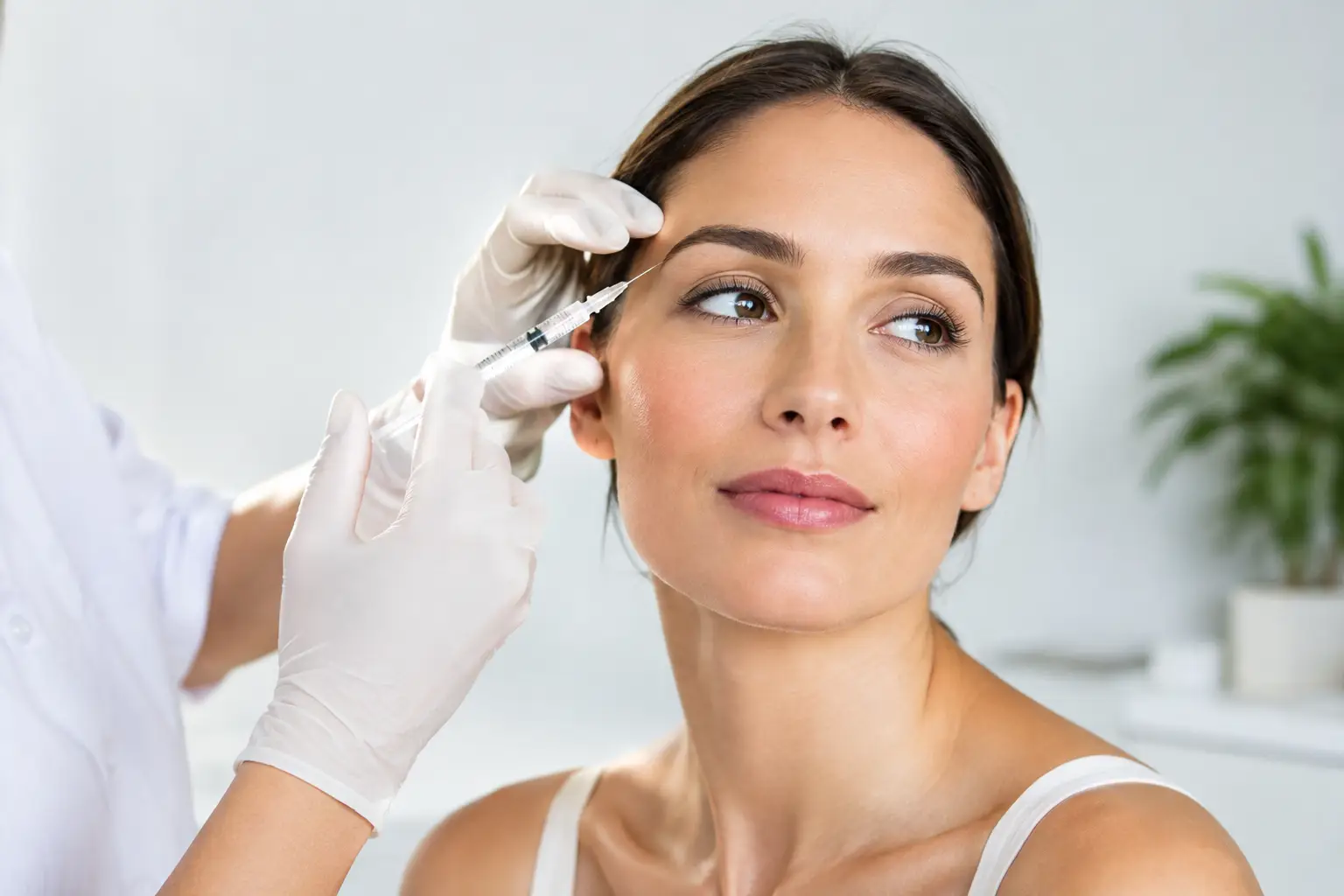
When to Start Preventative Botox: A Calm Guide
Fine lines often show up first in motion: the crease between your brows when you concentrate, the lines across your forehead when you raise your eyebrows, or crow’s feet that appear when you smile. That is why the question of when to start preventative Botox is less about reaching a certain birthday and more about understanding how your face moves, how your skin is changing, and what feels right for you.
Preventative Botox can be a thoughtful option for adults who want to soften repetitive expressions before those lines become more noticeable at rest. It is not a requirement for healthy aging, and it is never a one-size-fits-all treatment. The best plan is one that respects your features, your goals, and your comfort level.
What preventative Botox actually means
Botox is a brand of neuromodulator, a prescription injectable that temporarily relaxes selected muscles responsible for certain facial expressions. When those muscles move less forcefully, the skin above them folds less often. Over time, this can help soften the appearance of expression lines and may help slow the deepening of dynamic wrinkles.
“Preventative” does not mean stopping the aging process or treating a face that has no movement. It usually means using conservative doses in areas where repetitive muscle movement is beginning to leave a visible mark. Common treatment areas include the forehead, the lines between the eyebrows, and the outer corners of the eyes.
A natural-looking result should still look like you. You may look more rested, less tense, or smoother in photographs, but your face should continue to reflect your personality. At Compassionate Health Med Spa, that balance matters. Treatment should support your confidence, not make you feel unlike yourself.
When to start preventative Botox: age is only one clue
There is no medically correct age to begin preventative Botox. Many people start in their late 20s or 30s, while others wait until their 40s or later. Some people never choose neurotoxin treatments at all and still care beautifully for their skin through sunscreen, skincare, hydration, and other services.
Rather than focusing on age alone, consider whether you are noticing lines that linger after your face returns to a neutral expression. If the “11” lines between your brows or forehead creases are starting to remain visible when you are relaxed, a conservative treatment may be worth discussing. People who make strong facial expressions, spend significant time in the sun, smoke, or have a family tendency toward early lines may notice these changes sooner.
On the other hand, treating very early simply because social media suggests you should is not always necessary. A licensed aesthetic professional can assess whether your concerns are driven by muscle movement, dehydration, sun damage, volume changes, skin texture, or a combination of factors. Botox addresses muscle activity. It cannot replace volume, erase every etched-in line, or correct skin laxity on its own.
Signs a consultation may make sense
You may be a good candidate for a preventative conversation if you have begun seeing expression lines at rest, find yourself repeatedly trying to relax a tense brow, or want a subtle approach before deeper creases form. A consultation can also be helpful if you have had Botox elsewhere and felt overly frozen, uneven, or disappointed with the result. Those experiences do not necessarily mean neurotoxin treatment is not for you. They may mean the dose, placement, timing, or treatment goals need to be adjusted.
For many first-time patients, the goal is not to eliminate every line. It is to soften the expression that bothers them while preserving the movement they enjoy.
Your skin and lifestyle matter as much as your expressions
Preventative Botox works best as one part of a healthy-aging plan. Daily broad-spectrum sunscreen, especially in coastal Massachusetts where outdoor time can add up, remains one of the most meaningful steps you can take for your skin. UV exposure contributes to collagen breakdown, uneven tone, and fine lines that Botox cannot prevent.
A personalized skincare routine can also make a visible difference. Ingredients such as retinoids, antioxidants, and moisturizers may support smoother-looking skin, depending on your skin type and sensitivities. Treatments like Hydrafacial services, RF microneedling, IPL, laser treatments, and skin resurfacing may be more appropriate for concerns involving texture, discoloration, acne scarring, or sun damage.
This is where a broader assessment matters. If forehead lines are your main concern, Botox may be enough. If you are also noticing rough texture, brown spots, or loss of firmness, a clinician may recommend a phased plan rather than trying to solve every concern with injections at one appointment.
What a conservative first treatment can look like
A good preventative Botox appointment begins with listening. Your provider should ask what you see in the mirror, what you hope will change, and what you want to preserve. They should also observe your expressions at rest and in motion, review your medical history, and explain realistic outcomes before recommending any injections.
For a first treatment, less can often be more. Small, carefully placed doses may soften muscle activity without creating a heavy brow or limiting your natural expressions. Results usually begin to appear within several days and are typically more noticeable around two weeks after treatment. The effect commonly lasts about three to four months, though individual response and treatment area can vary.
Preventative Botox is not a permanent commitment. If you decide not to continue, muscle movement gradually returns. Lines may become more visible again as the treatment wears off, but you will not suddenly look worse than you did before treatment.
The trade-off: maintenance and cost
Because results are temporary, ongoing treatment is needed to maintain them. Some patients prefer regular appointments several times a year. Others use Botox before a wedding, milestone event, or season when they want to look especially refreshed. Neither approach is wrong.
It is also reasonable to consider your budget. A responsible provider should be transparent about pricing and help you prioritize what will make the most meaningful difference for your goals. You should never feel pressured to add areas, buy more units than you need, or combine treatments before you understand why they are being recommended.
Who should wait or seek medical guidance first?
Botox is a medical treatment, not a casual beauty service. It should be provided by a properly trained, licensed clinician after an appropriate assessment. Tell your provider about all medications and supplements, past cosmetic treatments, allergies, neuromuscular conditions, facial surgeries, and any history of eyelid or brow asymmetry.
People who are pregnant or breastfeeding are generally advised to postpone cosmetic neurotoxin injections because there is not enough safety research in these groups. Those with certain neuromuscular disorders, an active skin infection at the planned injection site, or a history of allergic reaction to ingredients in a neurotoxin product may not be candidates. Your provider can help determine whether treatment is appropriate and when to coordinate with another member of your healthcare team.
It is also wise to wait if your interest in Botox is coming from harsh self-criticism or pressure to match someone else’s appearance. Aesthetic care should feel empowering and informed, not urgent or fear-based.
Questions to bring to your consultation
A consultation is your chance to be specific. Ask what treatment areas are recommended and why, how much movement you can expect to retain, what the anticipated cost will be, and what follow-up is available if you have questions after treatment. You can also ask to start conservatively and reassess once the results have settled.
Share reference photos carefully, but remember that another person’s face, muscle strength, and anatomy are different from yours. The most satisfying result is usually not a copy of someone else. It is a refreshed version of your own face.
Choosing when to begin is personal. If you are curious, let the first step be a calm conversation with a licensed professional who will assess your needs honestly, explain your options clearly, and respect your decision whether treatment is now, later, or not at all.
