
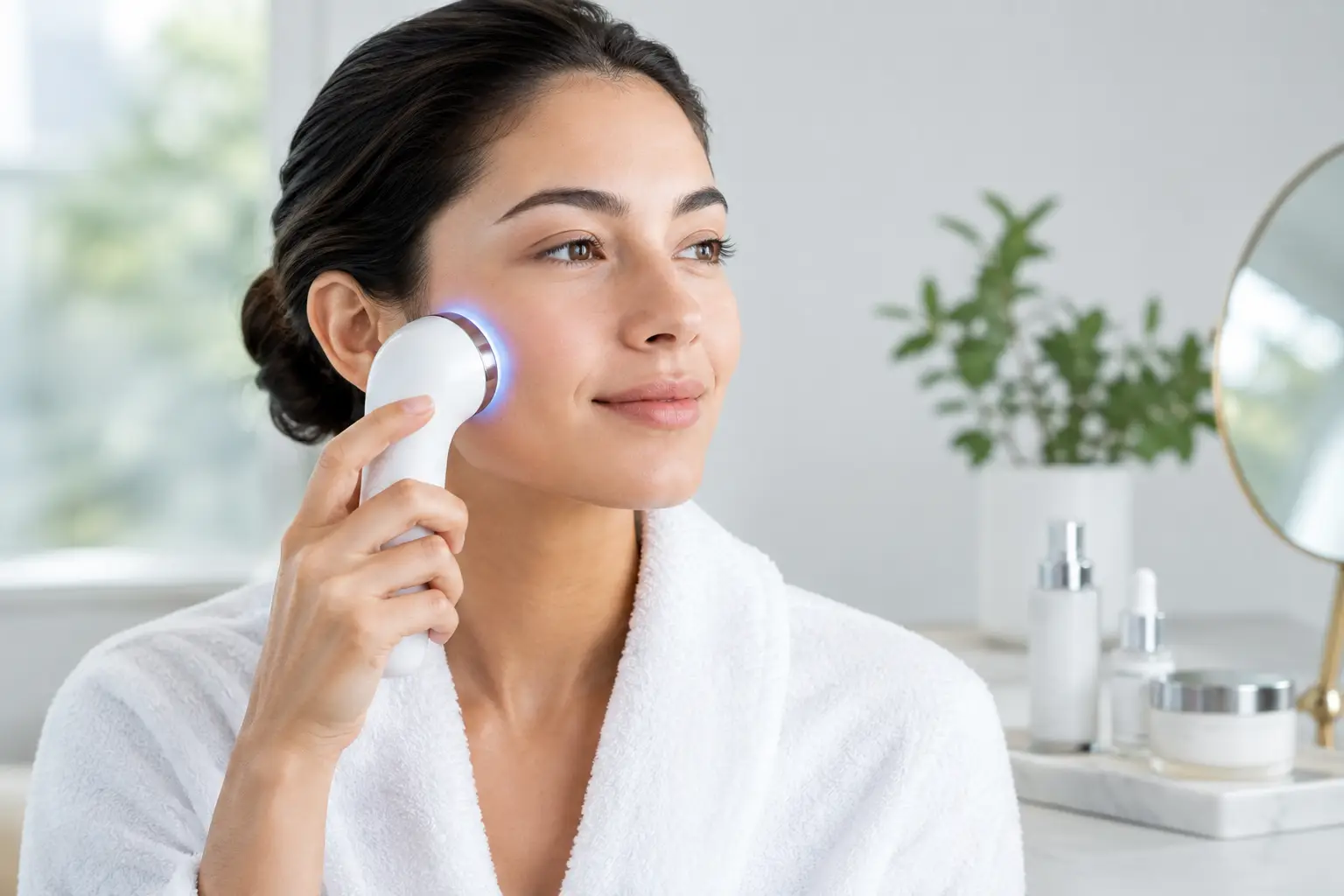
What Skincare Technology Can Do for Your Skin
A skin concern can look simple from the outside – a few dark spots, acne scars, fine lines, redness, or unwanted hair. Yet the best answer is rarely a single product or a one-size-fits-all treatment. Modern skincare technology gives licensed professionals more precise ways to address these concerns while respecting your skin type, lifestyle, comfort level, and goals.
At a medical spa, technology is not meant to change who you are. It is a tool that can help you feel more confident in skin that looks refreshed, smoother, clearer, and more like your best self. The right treatment plan should feel thoughtful, never pressured.
What Skincare Technology Really Means
Skincare technology includes the advanced devices and clinically guided treatments used to improve the appearance and health of the skin. Some technologies cleanse and hydrate the skin’s surface. Others use controlled energy, tiny treatment channels, or light-based methods to encourage the skin’s natural renewal process.
The key word is controlled. Professional treatments are designed around settings, technique, timing, and skin assessment. A licensed provider considers factors that a device alone cannot: your skin tone, sensitivity, medical history, active breakouts, medications, sun exposure, and the amount of downtime you can comfortably manage.
This is why two people seeking help for “texture” may need very different care. One may benefit from regular Hydrafacial treatments and a home skincare routine. Another may be a stronger candidate for RF microneedling or skin resurfacing. A third may need to first calm irritation or manage acne before pursuing a corrective procedure.
The Technologies Behind Common Skin Goals
Advanced treatments work best when the technology matches the concern. Here is how several commonly requested options can fit into a personalized plan.
Hydrafacial for congestion, dullness, and hydration
Hydrafacial treatments use a multi-step approach to cleanse, exfoliate, extract congestion, and deliver hydrating ingredients. They are often a welcoming place to start for someone who wants brighter-looking skin with little to no downtime.
This treatment can be especially appealing before an event or as part of a consistent maintenance routine. It does not replace deeper corrective treatments for significant scarring or laxity, but healthy, well-hydrated skin often responds better to a thoughtful long-term plan.
RF microneedling for texture and firmness
Microneedling creates tiny, controlled channels in the skin, while radiofrequency energy delivers heat at targeted depths. Together, these technologies can support collagen remodeling and improve the appearance of acne scars, enlarged pores, fine lines, and uneven texture.
RF microneedling is not an instant-results treatment. Skin remodeling takes time, and many people need a series of sessions for their preferred outcome. Some redness and temporary sensitivity are expected afterward, so timing matters if you have social events or travel planned.
Ultherapy for gradual lifting support
Ultherapy uses ultrasound energy to target deeper layers beneath the skin’s surface. It is often chosen by people who notice mild to moderate skin laxity around areas such as the brow, jawline, chin, or neck and want a nonsurgical option.
The results develop gradually as the body responds to treatment. It can be a good fit for patients who value subtle change and natural-looking enhancement, but it is not a substitute for surgery when loose skin is significant. An honest consultation helps set the right expectations.
Laser and IPL treatments for tone and visible signs of sun exposure
Laser services and IPL can address concerns such as uneven tone, visible redness, sun spots, and certain pigment irregularities. Light-based treatments can be highly effective when selected carefully, but they are not interchangeable. Different devices, wavelengths, and settings serve different purposes.
Skin tone, tanning history, melasma, and recent sun exposure all matter. For some patients, a light-based treatment is appropriate. For others, it may need to be adjusted, postponed, or combined with a home regimen that supports pigment control. Protecting treated skin from the sun is essential to both safety and lasting results.
Laser hair removal for long-term hair reduction
Shaving, waxing, and plucking can be time-consuming and may contribute to irritation or ingrown hairs. Laser hair removal uses targeted light energy to reduce unwanted hair over a series of sessions.
Hair grows in cycles, which is why one treatment is not enough. Results also vary based on hair color, hair thickness, and the treatment area. A trained provider can explain what level of reduction is realistic for you and create a schedule that fits your needs.
Why the Consultation Matters as Much as the Device
A device can be advanced and still be the wrong choice for a particular person. Great care starts with listening. Before recommending treatment, your provider should ask what you see in the mirror, what you have already tried, what outcome feels natural to you, and what recovery time works with your life.
A consultation also creates space to discuss health factors that can affect the skin. Hormonal changes, stress, nutritional needs, certain medications, chronic conditions, and weight changes can all influence breakouts, pigmentation, elasticity, and healing. When medical and aesthetic care are available in one setting, conversations about your overall wellness can be more connected and practical.
It is also reasonable to ask direct questions. What does the treatment feel like? How many sessions may be needed? What are the possible side effects? What should you avoid afterward? When might you see changes? Clear answers help you make a confident decision without feeling rushed.
Better Results Usually Come From a Plan, Not a Single Appointment
The appeal of a quick fix is understandable. Sometimes a single Hydrafacial or laser session can provide a welcome boost. But lasting improvement in concerns such as discoloration, acne scarring, or loss of firmness often requires patience and consistency.
Your plan may include a professional treatment series, a simple home skincare regimen, and periodic maintenance. It may also change over time. For example, a patient might begin with treatments focused on active acne or congestion, then move into scar-focused microneedling once the skin is calmer.
A good plan also respects your budget. More treatments are not always better. The goal is to recommend what serves your skin and your priorities, whether that means one focused service, a series of treatments, or a gradual approach over several months.
Safety, Credentials, and Skin-Smart Expectations
Professional skincare technology should always come with professional oversight. Advanced treatments can create meaningful improvement, but they also carry risks when used improperly or on the wrong candidate. Choosing a practice with licensed providers, clean treatment spaces, and clear aftercare guidance helps protect your experience.
Avoid treating technology like a trend. A dramatic before-and-after photo does not tell you about the person’s starting point, treatment series, lighting, healing process, or home routine. Your best result is one that makes sense for your own skin, not one that copies someone else’s face or timeline.
At Compassionate Health Med Spa, personalized care means looking beyond the device to the person in front of us. We want you to understand your options, feel comfortable asking questions, and choose treatment because it supports your confidence – not because anyone made you feel that you needed to be “fixed.”
The most valuable skincare technology is the kind that is chosen with care. Start with the concern that matters most to you, allow room for realistic progress, and let a qualified provider help you build a plan that feels as comfortable as the results look.
