
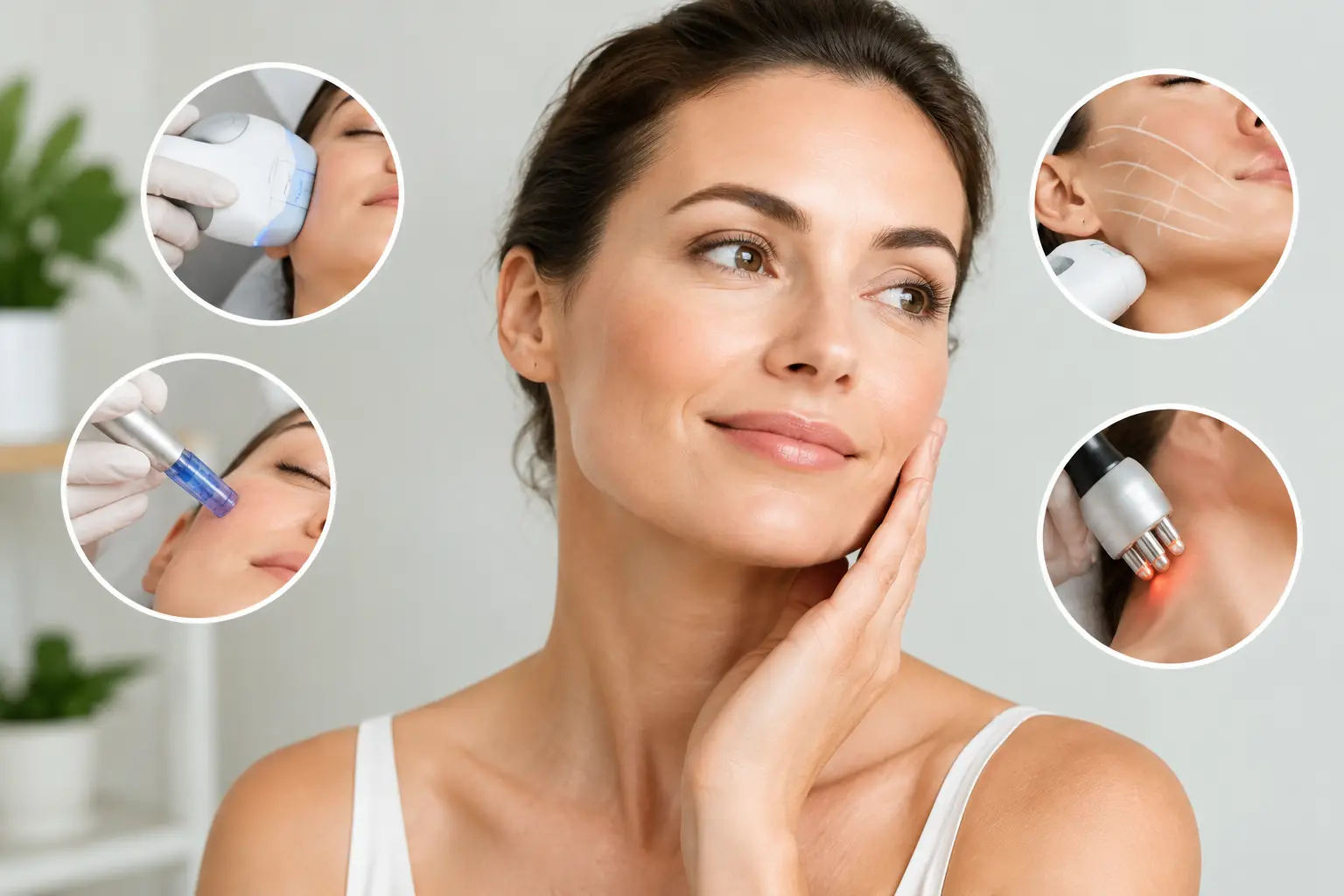
Skin Tightening: Which Treatment Fits You?
A face can still look like you and feel less like the reflection you remember. That is often what brings people to ask about skin tightening: not a desire to look dramatically different, but a wish for firmer contours, smoother texture, and a more rested appearance. With the right plan, nonsurgical treatments can support those goals while respecting your features, schedule, and comfort level.
Why Skin Starts to Lose Firmness
Collagen and elastin give skin much of its structure and spring. Over time, the body produces less of both. Sun exposure, genetics, weight changes, stress, smoking, and the natural aging process can all contribute to looser skin, fine lines, crepey texture, and softer definition around the cheeks, jawline, neck, or body.
Skin laxity does not look the same on everyone. One person may notice early looseness around the eyes or jawline, while another is more concerned about the neck, abdomen, upper arms, or skin texture. The amount of laxity matters, too. Mild to moderate changes often respond well to nonsurgical care, while more significant loose skin may call for a different conversation about realistic options.
That is why a thoughtful consultation matters more than choosing a treatment from a menu. The best approach begins with what you see, what you want to improve, and what kind of downtime and investment feel comfortable for you.
Skin Tightening Treatments Work in Different Ways
There is no single “best” treatment for every concern. Some technologies use controlled heat to encourage collagen remodeling below the surface. Others create tiny, precise channels in the skin to stimulate repair. Certain treatments improve visible texture and tone, while others are better suited to lifting specific areas.
RF Microneedling for Texture and Firmness
RF microneedling combines microneedling with radiofrequency energy delivered beneath the skin’s surface. The treatment creates controlled micro-injuries while applying heat at selected depths, prompting the body’s natural collagen and elastin response.
It can be a strong option for people who want to improve fine lines, acne scars, enlarged pores, uneven texture, and mild skin laxity. Because treatment can be customized by depth and area, RF microneedling is commonly used on the face, neck, décolletage, and certain body areas.
Results develop gradually as collagen remodels. Some people notice an early glow, but firmer-looking skin and texture improvement usually continue to appear over the following weeks and months. A series of treatments may be recommended depending on your starting point and goals.
Ultherapy for Targeted Lifting
Ultherapy uses focused ultrasound energy to reach deeper structural layers of tissue without surgery. It is often considered for lifting and tightening concerns around the brow, under the chin, jawline, and neck.
This treatment may be a good fit for someone with mild to moderate laxity who wants more definition but does not want surgical downtime. It does not replace a facelift, and setting that expectation is part of responsible care. What it can do is encourage gradual collagen renewal that supports a naturally refreshed, more lifted appearance over time.
Because ultrasound energy works below the surface, there is typically little to no visible downtime. Sensation during treatment varies by area and individual sensitivity, so your provider can discuss comfort measures before your appointment.
PDO Threads for Support and Definition
PDO threads are absorbable sutures placed beneath the skin by a trained medical provider. Depending on the thread type and placement, they may provide immediate support in areas where skin has begun to descend, such as the cheeks, jawline, or neck. They also stimulate collagen as they dissolve over time.
Threads are not right for every face or every degree of laxity. They require a precise assessment of facial anatomy, skin quality, and desired outcome. For the appropriate candidate, they can be a useful part of a natural-looking rejuvenation plan, particularly when the concern is contour rather than surface texture alone.
Skin Resurfacing for a Smoother Surface
Skin resurfacing and certain laser treatments focus more directly on the visible surface of the skin. They can help improve sun damage, fine lines, discoloration, roughness, and overall radiance. While resurfacing can support a firmer-looking complexion by encouraging collagen production, it is not always the primary choice for deeper lifting.
Often, the most satisfying results come from pairing the right technology with a consistent skincare routine. A smoother, more even surface reflects light differently, which can make skin appear healthier and more refreshed even before deeper collagen changes are fully visible.
Choosing the Right Skin Tightening Plan
The question is not simply, “What is the strongest treatment?” It is, “What will address my concern safely and naturally?” A person with early jawline softness may benefit from a different plan than someone whose main concern is crepey neck skin or acne scarring.
During a personalized assessment, a licensed provider should look at skin quality, laxity, facial volume, muscle movement, previous treatments, health history, and lifestyle. Volume loss can sometimes create the appearance of sagging, for example. In that case, carefully placed dermal filler may be part of the conversation, even though filler itself is not a skin tightening treatment.
Your timeline also matters. Some treatments provide a subtle immediate change with continued improvement, while others require patience as collagen rebuilds. If you are planning around a wedding, vacation, or milestone, it is wise to begin early enough to allow for treatment sessions, healing, and gradual results.
At Compassionate Health Med Spa, the goal is never to push an extreme procedure or sell more treatment than you need. The goal is to create a plan that makes sense for your skin, your confidence, and your life.
What to Expect Before and After Treatment
Your consultation is the right time to be open about medications, supplements, medical conditions, history of cold sores, prior cosmetic procedures, and any tendency toward scarring or pigmentation changes. These details help your provider choose the safest treatment settings and give you accurate preparation instructions.
Downtime depends on the service. RF microneedling may cause temporary redness, warmth, and mild swelling. Resurfacing treatments can involve more visible recovery, depending on the technology and intensity used. Ultherapy commonly allows people to return to their normal routine quickly, though some tenderness or temporary swelling can occur. PDO threads may involve bruising, swelling, and specific aftercare instructions while the area settles.
Avoid assuming that more intensity always equals better results. Treatment must be matched to your skin type and tolerance, particularly for patients prone to hyperpigmentation. A careful, clinically guided approach protects both your safety and the quality of your outcome.
Supporting Your Results at Home
Professional treatments can encourage meaningful change, but daily habits help protect that investment. Sun protection is essential because UV exposure breaks down collagen and can worsen discoloration. A broad-spectrum sunscreen, protective clothing, and a consistent skincare routine are practical ways to support healthier-looking skin.
Hydration, adequate protein, sleep, and avoiding tobacco also matter. These habits will not duplicate an in-office treatment, but they support skin health and the body’s natural repair processes. Weight fluctuations can affect skin laxity as well, so people pursuing medical weight management may benefit from coordinating aesthetic timing with their broader wellness goals.
Maintenance is personal. Some patients choose occasional follow-up treatments to sustain collagen support, while others prefer to reassess only when they notice changes. Your provider can help you set a realistic maintenance plan without pressure.
A More Confident Next Step
You do not have to decide on a treatment before asking questions. Start with a conversation about what you see in the mirror, what you would like to preserve, and what would help you feel more like yourself. The right skin tightening plan should feel informed, comfortable, and true to your goals – never rushed or overdone.
