
Laser Treatment Safety: What Your Skin Needs
A laser treatment should never feel like a leap of faith. Whether you are considering laser hair removal, IPL for visible sun damage, tattoo removal, or skin resurfacing, the goal is the same: effective results while respecting the health of your skin. Laser treatment safety begins long before the first pulse of light. It starts with a thoughtful consultation, the right technology, and a clinician who sees you as a whole person, not simply a treatment area.
For many people, laser services offer a welcome way to reduce unwanted hair, soften uneven pigment, improve texture, or support clearer-looking skin with less downtime than surgery. Still, these treatments are medical-aesthetic procedures. The device, settings, preparation, and aftercare all matter.
Why Laser Treatment Safety Is Personal
The word “laser” can make treatments sound one-size-fits-all, but different concerns require different wavelengths, energies, and treatment approaches. IPL, for example, uses broad-spectrum light rather than a true laser. Laser hair removal targets pigment in the hair follicle, while resurfacing treatments may create controlled changes in the skin to encourage renewal. Tattoo removal requires technology that breaks ink into tiny particles the body can gradually clear.
That distinction matters because what is safe and effective for one goal may not be appropriate for another. Your skin tone, natural pigment, hair color and thickness, medical history, medications, history of scarring, recent sun exposure, and desired downtime should shape the plan.
A customized approach also helps protect natural-looking results. The right treatment is not always the strongest one or the one that promises the fastest change. Sometimes a series of conservative sessions is the safer choice, especially for sensitive skin, deeper skin tones, or concerns such as melasma that can worsen with excess heat or inflammation.
The Right Provider Makes a Meaningful Difference
Advanced devices are valuable tools, but a device does not replace clinical judgment. A qualified, properly trained provider understands how laser and light energy interact with different skin types and knows when to adjust, postpone, or decline treatment.
At a reputable medical spa, your care should include a conversation about your goals and health history before treatment begins. You should feel comfortable asking who will perform your procedure, what training they have received, what device will be used, and what results are realistic for your skin. Clear answers are part of safe care, not an inconvenience.
Look for a clean, professional setting with licensed medical oversight and a team that takes time to explain the process. At Compassionate Health Med Spa, that patient-first mindset means recommending treatments because they fit your needs, not because a certain procedure is being promoted that month.
Be cautious of treatment offers that skip a consultation, promise identical results for everyone, or present discomfort and complications as something you simply have to accept. Some redness, warmth, or swelling can be expected after certain procedures. Severe pain, blistering, or dismissive communication are not standards you should settle for.
A Good Consultation Should Cover More Than Your Goal
A safe laser consultation is detailed but approachable. Your provider should ask about your treatment area and goals, then review factors that could affect how your skin responds. This may include prior laser treatments, allergies, cold sore outbreaks, keloid or hypertrophic scarring, pigment changes after injury, active skin conditions, and recent cosmetic procedures.
Medication review is especially important. Some prescription and over-the-counter products can increase photosensitivity or affect healing. Retinoids, certain antibiotics, blood-thinning medications, and acne treatments may change the timing or preparation for your procedure. Do not stop a prescribed medication on your own. Instead, share a complete list so your medical provider can advise you appropriately.
Pregnancy, breastfeeding, active infections, open wounds, a current tan, and recent sunburn may also mean that treatment should wait. Delaying a session can be disappointing, but it is often the right call for your skin. Thoughtful timing is part of laser treatment safety.
For some treatments and skin types, a test spot may be recommended. This small-area treatment lets your provider observe how your skin reacts before moving forward with a larger area. It is a practical safeguard, particularly when there is a greater risk of post-inflammatory hyperpigmentation or when you have not had that technology before.
Your Preparation Helps Protect Your Results
What you do in the days and weeks before your appointment can influence both comfort and recovery. Your provider will give instructions specific to your procedure, and those directions should always take priority. In general, protecting skin from direct sun exposure is essential. Tanned or sunburned skin may be more vulnerable to unwanted pigment changes and burns.
For laser hair removal, you may be asked to shave the treatment area shortly before your session, while avoiding waxing, tweezing, or epilating beforehand. These methods remove the hair root that the laser needs to target. For resurfacing or pigment-focused treatments, you may need to pause certain active skincare ingredients for a period of time.
Arrive with clean skin when directed. Skip self-tanner, makeup, fragranced body products, and deodorant on the treatment area unless your provider tells you otherwise. These small steps help ensure the light energy reaches the intended target without unnecessary interference.
Most importantly, be honest about recent sun exposure, new medications, and changes in your health. A last-minute adjustment is far better than trying to push through a treatment when conditions are not ideal.
What Safe Care Looks Like During Treatment
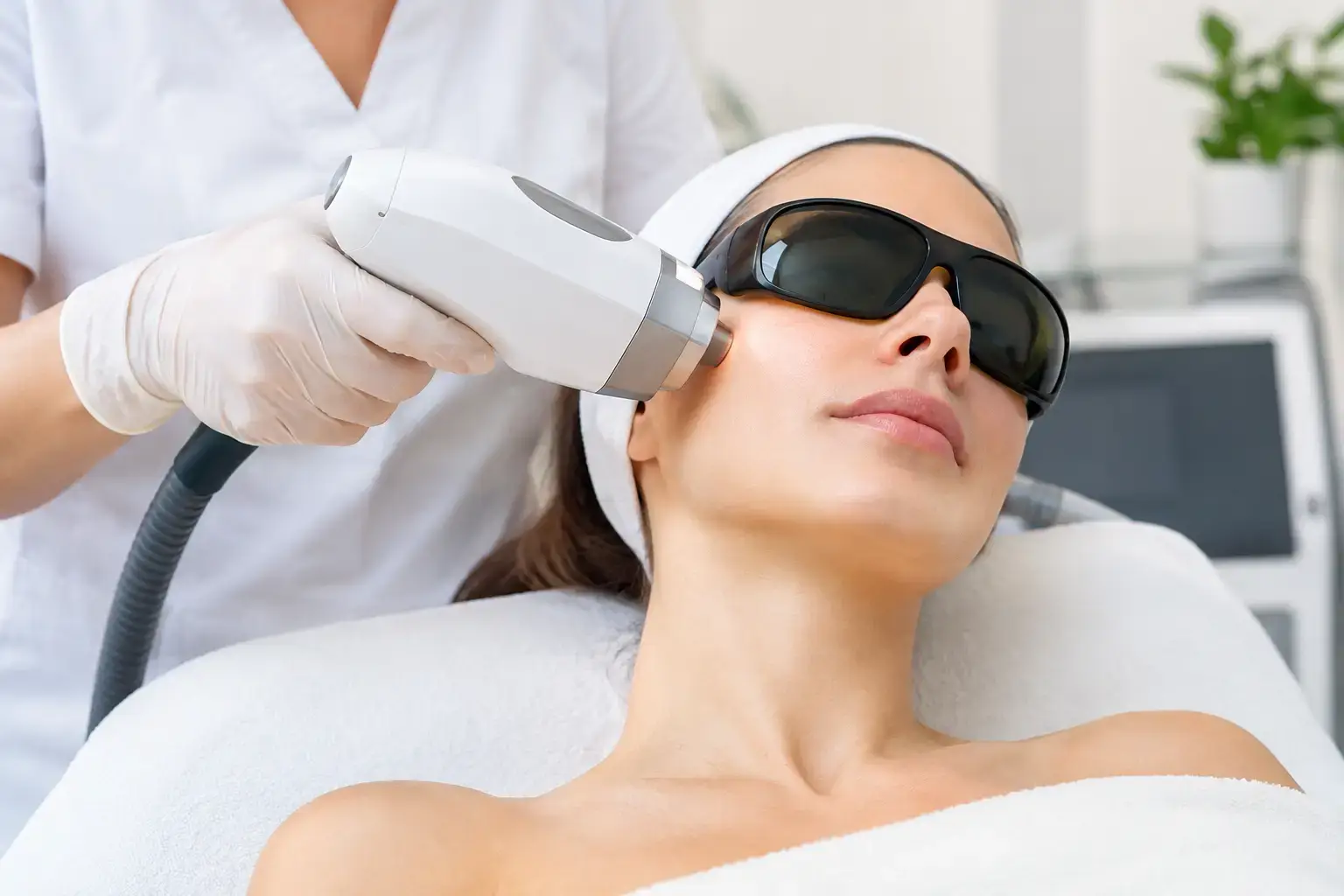
During your appointment, protective eyewear is nonnegotiable. Both you and the treatment provider should wear eye protection designed for the device being used. The eyes are highly sensitive to laser and light energy, and proper protection is a basic safety requirement.
Your provider should also confirm the treatment area, review what you can expect to feel, and use settings selected for your skin and concern. Sensations vary. Laser hair removal is often described as quick snaps of warmth against the skin. Resurfacing or tattoo removal may require additional comfort measures, depending on the technology and treatment depth.
Speak up if the pain feels sharper or more intense than expected. You are not being difficult by communicating discomfort. A skilled provider can pause, assess the skin, adjust the plan when appropriate, or determine that treatment should not continue that day.
Safe treatment does not mean zero sensation. It means your provider is watching your skin response, using appropriate settings, and treating your comfort as part of the care experience.
Aftercare Is Where Healing Happens
Aftercare is not an optional extra. Your skin has received a controlled treatment, and it needs calm, consistent support. Mild redness, warmth, tenderness, or temporary swelling may occur, depending on the procedure. Your provider should explain what is normal, what is not, and how to reach the office with questions.
Keep your routine gentle. Use the products recommended for your treatment, avoid picking or scrubbing, and pause exfoliants or active ingredients until you are cleared to restart them. Heat can also aggravate irritated skin, so you may need to avoid hot showers, saunas, intense workouts, and hot tubs for a short period.
Daily broad-spectrum sunscreen is one of the most valuable steps you can take after laser and light-based treatments. Sun protection helps reduce the risk of pigment changes and protects the progress you are working toward. Hats, shade, and protective clothing offer helpful additional coverage, especially after resurfacing or pigment treatments.
Contact your provider promptly if you experience increasing pain, significant swelling, blisters, drainage, spreading redness, fever, or any reaction that feels concerning. You know your skin best. It is always appropriate to ask for guidance.
Results Take Patience, Not Pressure
Many laser treatments work best as a series because hair growth, pigmentation, collagen production, and skin renewal all follow their own timelines. Laser hair removal targets follicles most effectively during specific growth phases. Collagen-supporting treatments often reveal gradual improvement over weeks or months. Tattoo removal commonly requires multiple appointments spaced apart to allow the body time to process ink particles.
This can feel slower than a dramatic before-and-after promise, but a measured plan is often the safest and most rewarding one. Your provider should explain the expected number of sessions, likely maintenance needs, costs, downtime, and limitations before you begin. Honest expectations help you make a confident decision.
The best laser treatment is not necessarily the most aggressive option. It is the one that matches your skin, your goals, and your life, with enough time for thoughtful healing between sessions. When you choose licensed care, follow your preparation and aftercare instructions, and give your skin the patience it deserves, you can pursue meaningful improvement while keeping safety at the center of every step.
