
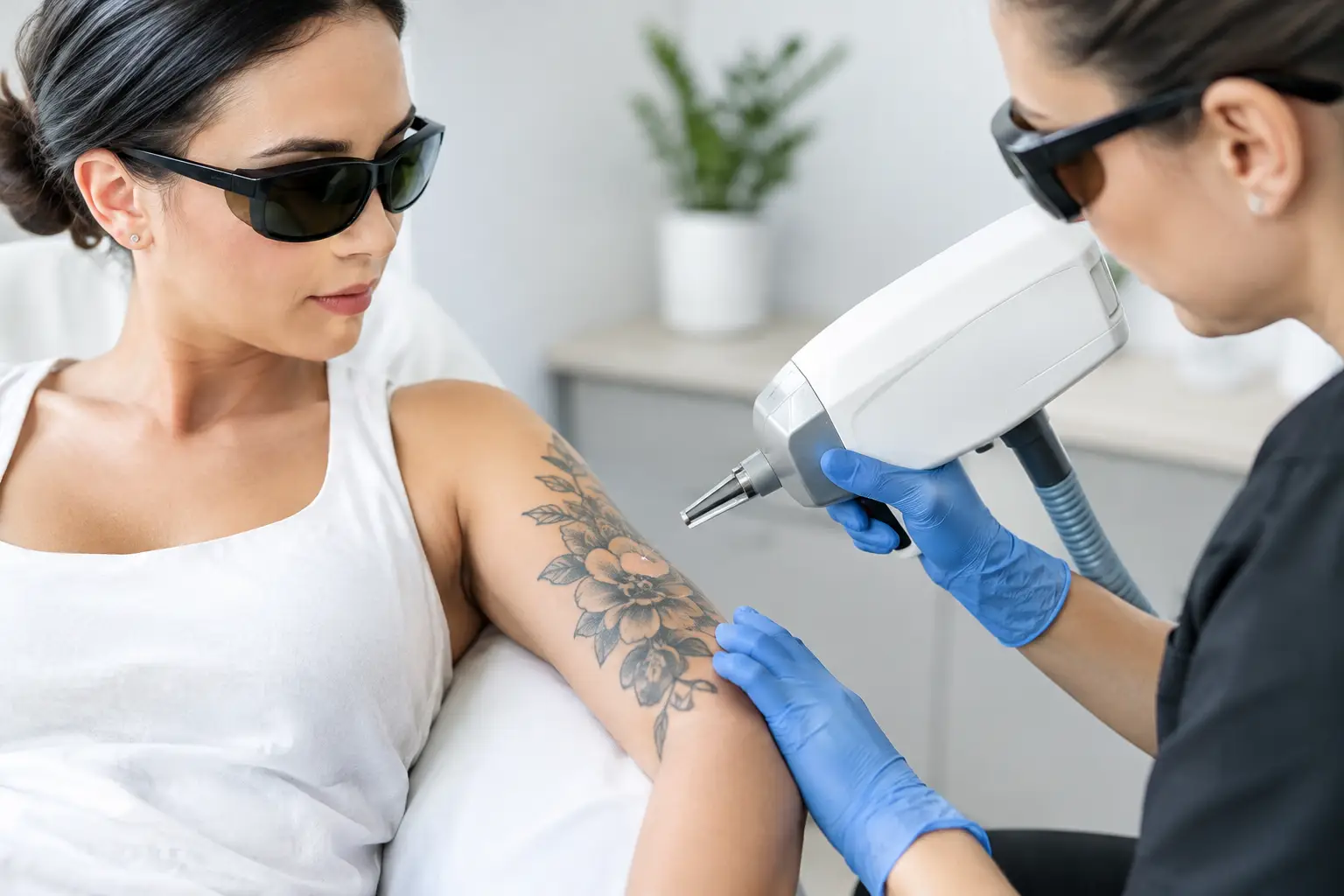
How Much Does Tattoo Removal Cost? A Clear Guide
A tattoo can hold a meaningful memory, reflect a past version of yourself, or simply no longer feel like the right fit. If you are considering removal, one of the first questions is practical: how much does tattoo removal cost? The honest answer is that it depends on the tattoo, your skin, and the treatment plan needed to safely fade the ink. A thoughtful consultation can turn that uncertainty into a clear, realistic plan.
Laser tattoo removal is not a one-appointment service. It is a gradual process that gives your body time to break down and clear fragmented ink particles between sessions. That approach supports better results while protecting the health and appearance of your skin.
How Much Does Tattoo Removal Cost Per Session?
In Massachusetts and across the United States, laser tattoo removal often ranges from about $100 to $500 or more per session. Very small tattoos, such as a tiny symbol on a finger or wrist, may fall toward the lower end. Large, detailed, or multicolored tattoos can cost more per visit because they require more treatment time and technical precision.
The full cost is based on the number of sessions your tattoo needs. Many people need approximately 6 to 10 sessions, although some tattoos fade more quickly and others take 12 sessions or more. A small black tattoo that is already faded may require fewer visits than a dense, professional sleeve with several colors.
For that reason, it is more useful to think about tattoo removal as a personalized investment rather than a single flat price. A reputable provider should explain the estimated session price, likely number of treatments, and recommended spacing before you begin. Be cautious of anyone who promises complete removal in a fixed number of appointments without carefully evaluating the tattoo first.
What Determines the Cost of Tattoo Removal?
Two tattoos that look similar at a glance can respond very differently to laser treatment. Your provider considers several details before recommending a plan.
Tattoo size and location
Larger tattoos generally cost more per session because there is more skin and ink to treat. Placement also matters. Tattoos located closer to areas with strong circulation, such as the upper body, may sometimes respond differently than tattoos on the hands, feet, or lower legs. Healing ability and blood flow can affect how efficiently the body clears ink after each visit.
Ink color and density
Black ink is typically one of the most responsive colors for laser tattoo removal. Dark blue and some other darker pigments may also respond well. Brighter colors, including green, blue, yellow, and certain reds, can require additional treatments or specific laser wavelengths.
A lightly applied tattoo may fade faster than one with dense, layered ink. Cover-up tattoos often take longer because they contain multiple layers of pigment, sometimes in a larger treatment area than the visible design suggests.
Professional versus amateur tattoos
Professional tattoos are often more saturated and evenly applied, which can mean they need more sessions to break down. Amateur tattoos may use less ink or have uneven depth, but there is no universal rule. The age of the tattoo, its pigments, and your individual response matter more than the label alone.
Your skin and health history
Laser treatment should always be planned with your skin tone, medical history, medications, and healing tendencies in mind. A licensed aesthetic team can adjust treatment settings and intervals to help protect your skin while working toward steady fading.
People who have a history of raised scarring, changes in pigmentation, active skin conditions, or certain medical concerns may need additional evaluation. This is not meant to discourage treatment. It is a reason to choose care that puts safety and individualized decision-making ahead of rushing through appointments.
Why the Number of Sessions Varies
It is tempting to ask for an exact total before your first treatment, but your body plays an active role in the process. During laser tattoo removal, the laser energy breaks ink into smaller particles. Your immune system then gradually clears those particles over the following weeks.
Sessions are usually spaced several weeks apart, often six to eight weeks or longer depending on your treatment plan. More time between visits can allow the skin to recover and the body to continue processing the ink. Trying to compress the schedule does not necessarily speed up removal and may increase unnecessary stress on the skin.
A professional assessment can provide a reasonable estimate, but it cannot guarantee an exact session count. The most responsible approach is to monitor progress as the tattoo fades and adjust the plan when needed.
Is Laser Tattoo Removal Worth the Cost?
For many people, the value is not only about removing visible ink. It may be about feeling more comfortable in certain clothing, preparing for a cover-up tattoo, moving beyond a difficult chapter, or simply having more control over how they present themselves.
The least expensive option is not always the best value. Tattoo removal involves a medical-grade device, carefully selected settings, sanitation, skin assessment, and follow-up guidance. Bargain pricing can be appealing, but treatment performed without appropriate training or technology may increase the risk of burns, scarring, or unwanted pigment changes.
Look for a practice that answers your questions without pressure. You should understand what the treatment feels like, what aftercare involves, what results are realistic, and how pricing is structured. A clear plan is especially helpful if you are removing a tattoo before a special event, career change, or future cover-up.
Planning for the Total Cost of Tattoo Removal
There are a few practical ways to make the cost feel more manageable. First, ask whether the practice prices by tattoo size, treatment time, or session. Each model can be reasonable, but you deserve to know exactly what is included.
Next, ask whether package pricing is available for multiple sessions. Packages can reduce the per-session cost in some settings, but only choose one after you understand the provider’s policies and the likely treatment range for your tattoo. You may also want to ask about financing options, seasonal specials, or membership benefits if those are offered.
It can help to budget for aftercare as well. Your provider may recommend gentle skincare products, sun protection, or dressings during healing. Protecting the treated area from sun exposure is especially important, since tanned or irritated skin can delay your next appointment and affect treatment planning.
At Compassionate Health Med Spa, tattoo removal is approached as a personal care decision, not a sales opportunity. A consultation is the time to discuss the tattoo you want to fade, your skin goals, and the pace that feels right for you.
What to Expect at a Tattoo Removal Consultation
A good consultation should feel informative and comfortable. Your provider will examine the tattoo, discuss its age and colors, review relevant health information, and ask about previous tattoo removal or skin treatments. They may take photos to track progress over time.
You should also receive guidance on preparation and recovery. Treatment commonly feels like quick snaps against the skin, and the area may be warm, red, swollen, or tender afterward. Temporary whitening or frosting of the tattoo can happen immediately after treatment. Following aftercare directions, avoiding picking or friction, and keeping the area protected are all part of supporting a smooth recovery.
If complete removal is not realistic for a particular color or deeply saturated design, a trustworthy provider should say so. Significant fading may still make a tattoo far easier to cover with new artwork, which can be an excellent outcome for many patients.
Common Questions About Tattoo Removal Costs
Does insurance cover tattoo removal?
Cosmetic tattoo removal is usually not covered by health insurance. There can be rare exceptions when removal is medically necessary, but most people should plan to pay out of pocket.
Can one session remove a tattoo?
No. Even small tattoos generally need multiple sessions. The laser begins breaking down the ink at the first appointment, but your body needs time to clear it gradually.
Are newer tattoos more expensive to remove?
Not necessarily. Newer tattoos can be more saturated, while older tattoos may have naturally faded over time. The cost depends on size, color, ink density, and the number of sessions needed rather than age alone.
Choosing tattoo removal is a personal decision, and there is no need to rush it. When you are ready, a one-on-one consultation can give you a realistic cost estimate, a safe treatment timeline, and the reassurance of knowing your skin is being cared for every step of the way.
