
Medical Aesthetics Care That Puts You First
A great medical aesthetics plan should never make you feel like you need to become someone else. It should help you look rested when you feel tired, feel more comfortable in your skin, and make thoughtful changes that still look like you. That is why choosing care that begins with a real conversation matters as much as choosing the treatment itself.
At Compassionate Health Med Spa, aesthetic care is part of a bigger commitment to your well-being. Some patients come in with a specific concern, such as fine lines, acne scarring, unwanted hair, or loss of facial volume. Others simply know they do not feel as refreshed or confident as they once did. Both are valid reasons to seek support, and neither calls for a one-size-fits-all solution.
What Medical Aesthetics Really Means
Medical aesthetics includes nonsurgical treatments designed to improve the appearance and health of the skin, face, and body under appropriate clinical oversight. It can include treatments such as neurotoxin injections, dermal fillers, laser services, RF microneedling, skin resurfacing, IPL, Hydrafacial treatments, PDO threads, and body contouring.
The word “medical” is meaningful. While many aesthetic treatments require little to no downtime, they still involve decisions about skin type, health history, medications, healing ability, and realistic outcomes. An experienced, licensed team can help determine which options make sense for your goals and which ones may not be right for you right now.
The best results are often subtle. A softened expression, smoother texture, clearer tone, or a more balanced facial profile can be noticeable without announcing what you had done. This approach respects your features rather than chasing someone else’s look.
Start With Your Goals, Not a Treatment Menu
It is easy to arrive at a consultation asking for the treatment you have seen on social media. Sometimes that treatment is a good fit. Sometimes the concern behind the request can be addressed more effectively with another option, or by combining services gradually over time.
For example, someone concerned about tired-looking eyes may assume they need filler. Yet the appearance may be influenced by skin laxity, pigmentation, volume loss, dehydration, or the position of the brow. Each of those concerns calls for a different conversation. A careful provider will assess the whole area, explain the trade-offs, and recommend a plan that supports natural-looking improvement.
This is especially important for first-time patients. You do not need to know every product, device, or technique before booking. You only need to be able to share what you see, how it affects your confidence, and what kind of result feels comfortable to you. The consultation is where your questions should be welcomed, not rushed.
Common Concerns and Thoughtful Options
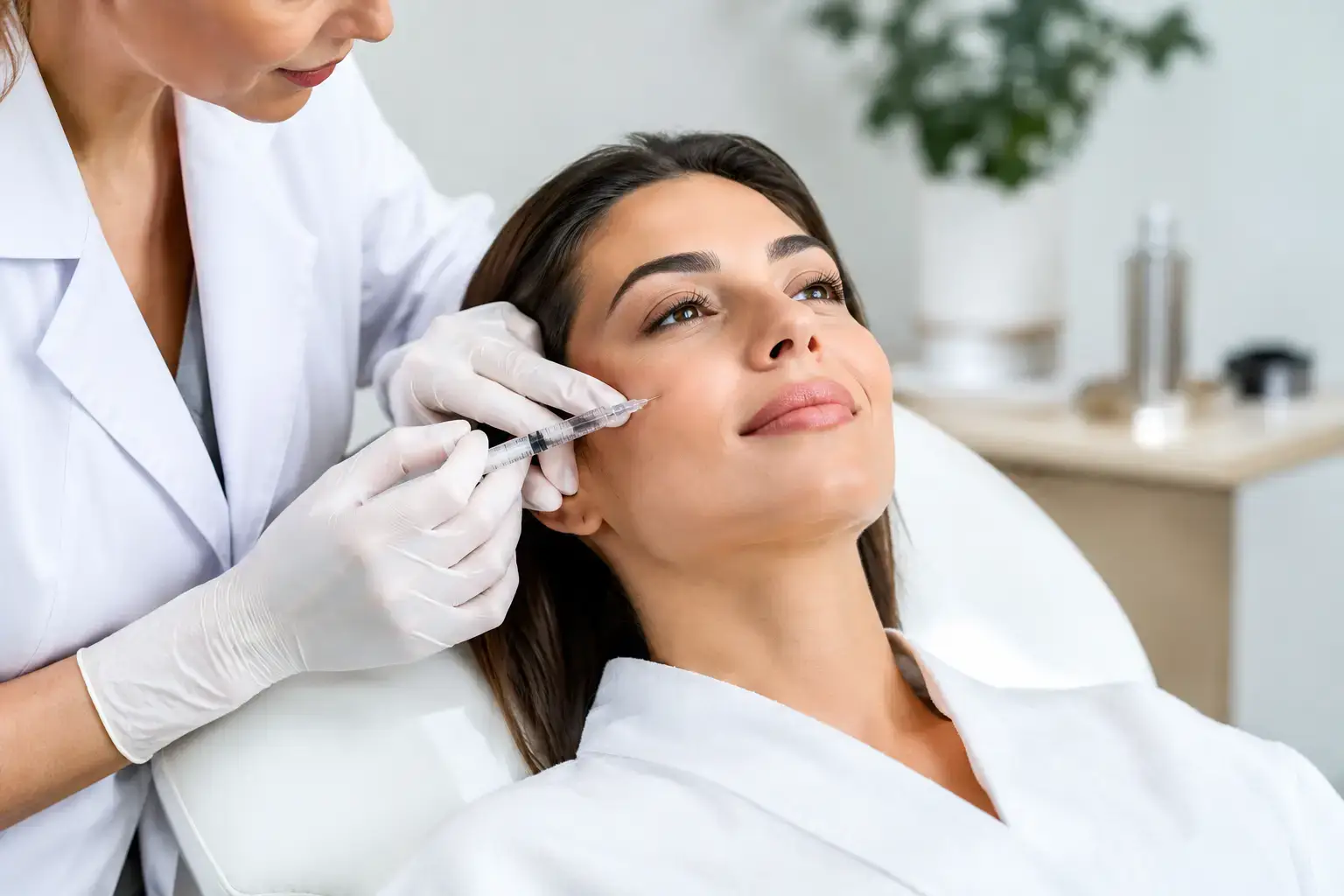
Fine lines and dynamic wrinkles, particularly around the forehead, eyes, and brows, may respond well to neurotoxin injections. These treatments relax targeted muscle movement to soften lines. The goal is not necessarily to remove every expression. When administered thoughtfully, treatment can preserve the ability to look like yourself while reducing the look of lines that bother you.
Dermal fillers may help restore or enhance volume in areas such as the cheeks, lips, jawline, or folds around the mouth. Filler is not automatically the answer to every sign of aging. Placement, amount, facial structure, and skin quality all matter. Conservative treatment with time to reassess is often preferable to trying to achieve a dramatic change in a single appointment.
If texture, acne scars, enlarged pores, or fine lines are your primary concern, RF microneedling or resurfacing treatments may be more appropriate. These services support collagen remodeling and skin renewal over a series of treatments. Improvement is usually gradual, which can be ideal for patients who want change that develops naturally. It also means patience and proper aftercare are part of the process.
For sun spots, visible redness, uneven tone, or certain pigmentation concerns, IPL and laser treatments may offer meaningful improvement. Not every laser is suitable for every skin tone or skin condition, however. A personalized skin assessment helps match the technology and settings to your needs while reducing unnecessary risk.
Hydrafacial treatments can be a welcome choice for patients who want a refreshed, hydrated complexion with minimal downtime. They can complement a long-term skincare plan, but they do not replace treatment for deeper scarring, significant laxity, or medical skin conditions. Clear expectations protect both your investment and your skin.
Why Clinical Oversight Changes the Experience
Aesthetics and health are connected. Hormonal shifts, weight changes, chronic conditions, medications, stress, sun exposure, and daily skincare habits can all affect the way your skin looks and heals. An integrated practice can view your goals in this wider context rather than treating one concern in isolation.
Clinical oversight also matters when discussing safety. Before treatment, a qualified provider should review relevant medical history, allergies, current medications, previous procedures, and any history of healing concerns. Pregnancy, breastfeeding, active skin infections, certain medications, and some health conditions may mean postponing or choosing a different service. That is not a setback. It is care that puts your health first.
A clean environment, licensed professionals, appropriate products, and clear aftercare instructions are equally essential. Cost should never be the only factor in a decision involving your face, skin, or body. Value comes from expertise, safety, personalized planning, and results that make sense for you.
A Natural Result Takes Restraint
There is a misconception that more treatment always produces a better outcome. In reality, overcorrection can work against the refreshed, balanced result many patients want. The right amount of filler, the right treatment interval, or the decision to wait can be just as valuable as the procedure itself.
Natural-looking results are also not identical for everyone. One person may feel most confident with a subtle lip enhancement, while another may prefer to focus on skin quality and avoid injectables altogether. Your treatment plan should reflect your comfort level, budget, lifestyle, and timeline. If you have an important event coming up, your provider can help you choose options with realistic recovery periods and results that have time to settle.
Photos can be useful for tracking progress, but they should be viewed with perspective. Lighting, angles, makeup, swelling, and normal day-to-day changes can affect what you see. A good treatment plan is measured by more than a single before-and-after image. It is measured by how well the result fits your goals and how confidently you move through your life afterward.
Building a Plan You Can Maintain
Medical aesthetics is often most rewarding when approached as ongoing care rather than a quick fix. Daily sunscreen, professional skincare guidance, hydration, sleep, and follow-up treatments can help protect the results of your investment. For some patients, a seasonal facial and a consistent home routine are enough. For others, a treatment series or maintenance schedule makes more sense.
There is no prize for doing everything at once. Starting with one concern can help you understand how your skin responds and what level of change feels right. If your goals include wellness, weight management, or primary care needs alongside aesthetic services, coordinating those conversations can offer a more complete path forward.
You deserve aesthetic care that feels respectful, never pressured, and centered on your individual definition of confidence. The next best step may be a consultation, a simple skincare adjustment, or the reassurance that no treatment is needed today. Feeling heard is a meaningful part of feeling your best.
