
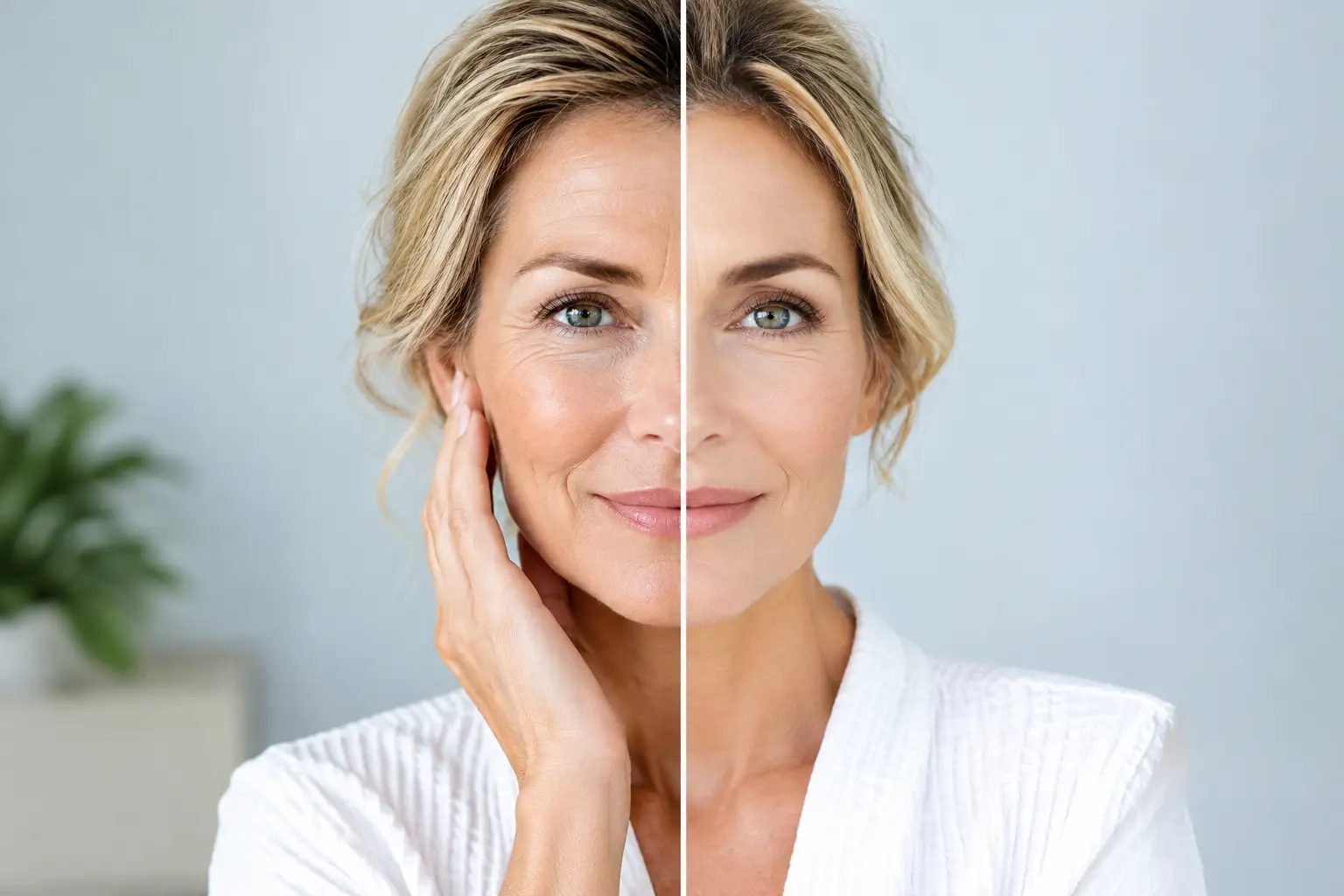
What Ultherapy Skin Tightening Results Look Like
A gradual lift can be one of the most appealing parts of Ultherapy. Rather than looking suddenly different, many people find that their Ultherapy skin tightening results emerge over time as their own collagen response builds. The goal is not to change your face. It is to support firmer, smoother-looking skin while preserving the features that make you look like yourself.
For adults in Wareham and across the South Coast who want a nonsurgical approach to facial aging, understanding the timeline matters. Ultherapy can be an excellent option for the right concern, but it is not an instant-fix treatment and it is not a replacement for every aesthetic procedure. A personalized consultation helps determine whether it fits your skin, goals, and comfort level.
How Ultherapy Skin Tightening Results Develop
Ultherapy uses focused ultrasound energy to reach carefully selected layers beneath the skin’s surface. This controlled energy creates a thermal response that prompts the body to produce new collagen, a structural protein that helps skin feel supported and resilient.
Unlike treatments that primarily refresh the surface of the skin, Ultherapy is designed to address laxity beneath it. It is commonly used to improve the appearance of mild to moderate looseness around the brow, cheeks, jawline, under the chin, and neck. Some patients also choose treatment for chest lines and crepey-looking skin in the décolletage area.
Because collagen renewal takes time, results are usually gradual. You may notice a subtle initial tightening shortly after treatment, often related to temporary tissue contraction or mild swelling. The more meaningful change typically appears as your body creates and remodels collagen in the weeks that follow.
A realistic timeline
Most patients begin to see visible improvement around two to three months after treatment. Collagen development can continue for up to six months, so the final outcome may look better than what you see in the first few weeks.
The pace is personal. Age, genetics, skin quality, degree of laxity, sun exposure, smoking, nutrition, and overall health can all influence how the skin responds. Someone with early jawline softness may see a noticeable refinement, while someone with significant loose skin may need a different or combined approach to reach their preferred level of correction.
What Results Can and Cannot Do
The best Ultherapy results tend to look refreshed, not obvious. Patients may notice a slightly more open-looking brow area, a crisper jawline, less softness below the chin, or skin that appears firmer and more supported. Friends may comment that they look rested without being able to identify exactly why.
Ultherapy does not remove large amounts of excess skin, replace lost facial volume, erase deep wrinkles, or create the same degree of lift as surgery. That distinction is important. A facelift may be more appropriate for advanced sagging, while dermal fillers can be useful when volume loss is the main issue. Neurotoxin injections address expression lines, not skin laxity.
For some patients, combining treatments thoughtfully delivers the most balanced result. For example, Ultherapy may support the jawline and neck while RF microneedling addresses skin texture or fine lines closer to the surface. The right plan should be based on what your skin actually needs, not on pressure to add services you do not want.
Who Often Sees the Most Benefit?
Ultherapy is often a good fit for adults with mild to moderate skin laxity who want to delay, avoid, or are not ready for surgery. Many patients are in their 30s through 60s, though age alone is not the deciding factor. Skin quality and the amount of looseness present are more useful measures.
You may be a candidate if you have noticed that your lower face looks less defined in photos, your neck skin feels less firm than it once did, or your brow area has begun to look mildly heavy. It can also suit people who prefer a treatment with little interruption to work, family responsibilities, or social plans.
A consultation is especially valuable if you have active skin irritation, certain implanted medical devices, a history of impaired healing, or substantial skin laxity. A licensed clinician can review your health history and help you understand whether Ultherapy is appropriate. Honest guidance protects both your safety and your investment.
What the Treatment Appointment Feels Like
An Ultherapy appointment begins with evaluating the treatment area and mapping the plan. Ultrasound imaging allows the provider to visualize the tissue layers being treated, supporting accurate energy placement.
During the procedure, patients may feel brief sensations of warmth, tingling, or tiny pulses beneath the skin as energy is delivered. Comfort varies by area and by individual sensitivity. The sensation is temporary, and your provider can talk you through the process and offer comfort measures when appropriate.
Treatment time depends on the areas selected. A focused brow treatment may take less time than a comprehensive face-and-neck appointment. Your provider should explain the expected treatment length, pricing, anticipated response, and aftercare before you begin.
Downtime and Aftercare
One reason Ultherapy appeals to busy adults is that there is typically little to no formal downtime. Many patients return to normal routines the same day. Mild redness, tenderness, swelling, tingling, or sensitivity to touch can occur and usually resolves on its own.
Your provider may recommend treating your skin gently for the rest of the day, staying well hydrated, and protecting it from the sun. Consistent sunscreen use is one of the most practical ways to support healthy-looking skin after any aesthetic treatment. A thoughtful skincare routine, adequate sleep, and avoiding tobacco can also help protect the collagen you have.
Although uncommon, more significant side effects are possible with any energy-based procedure. Choosing a qualified, licensed aesthetic provider who understands facial anatomy, treatment planning, and medical screening is an essential part of a safe experience.
How Long Do Ultherapy Results Last?
New collagen does not stop the natural aging process, but it can help skin look firmer for a meaningful period of time. Many patients enjoy results for around a year or longer, depending on their baseline skin quality and how their skin continues to age.
Maintenance is not one-size-fits-all. Some people schedule another treatment when they begin to notice laxity returning, while others use a broader plan that includes skincare, periodic skin-renewal treatments, and sun protection. The best timing is based on your goals and visible changes, not a rigid calendar.
Setting Expectations Before You Treat
Before-and-after photos can be helpful, but they should be viewed with care. Lighting, facial expression, camera angle, weight changes, and the amount of time since treatment can all affect how results appear. Ask to see examples from patients with similar concerns and skin characteristics when possible.
It also helps to define what success would look like for you. If your goal is a natural improvement in jawline definition or a gentle tightening through the neck, Ultherapy may be well aligned. If you are hoping for a dramatic correction of heavy jowls or a major neck lift, a consultation should include a candid conversation about other options.
At Compassionate Health Med Spa, that conversation is centered on your comfort, health, and confidence. There is no need to pursue an extreme change to feel good in your skin. The right treatment plan should feel clear, realistic, and genuinely suited to you.
If you are considering Ultherapy, bring your questions and your goals to a consultation. A skilled provider can help you decide whether a gradual, collagen-building approach is the right next step for helping your reflection feel more like you.
