
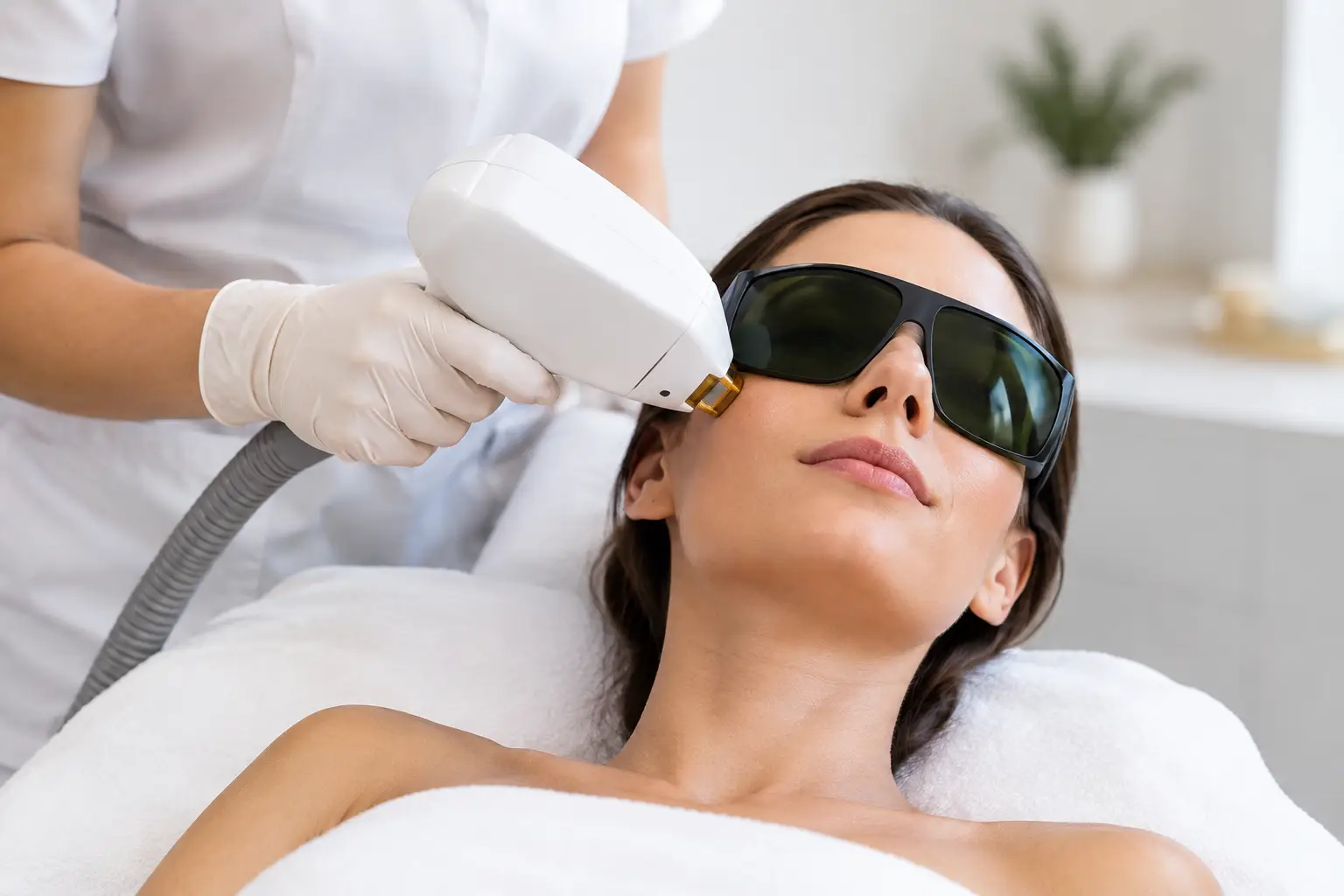
Laser Skin Resurfacing Downtime Explained
The calendar question usually comes first: Can I have laser treatment before a wedding, vacation, or an important work event? Laser skin resurfacing downtime is real, but it is not one-size-fits-all. The amount of healing time depends on the laser used, the concern being treated, the intensity of your session, and how your skin responds. A thoughtful treatment plan helps you pursue smoother, clearer, more refreshed-looking skin without feeling surprised by the recovery process.
What Does Laser Skin Resurfacing Downtime Look Like?
Laser resurfacing uses focused light energy to renew the skin. Depending on the technology and settings, it can address concerns such as fine lines, sun damage, uneven tone, rough texture, enlarged pores, acne scarring, and certain pigmentation concerns. The trade-off is that treatments designed to create more significant collagen renewal often require more visible recovery.
Immediately after treatment, skin may feel warm, tight, or similar to a sunburn. Redness and mild swelling are common, especially around the eyes. Over the next few days, treated skin may become dry, bronzed, flaky, or begin to peel. This is a normal part of the renewal process, but your provider should always give you clear instructions about what is expected for your particular treatment.
For some patients, downtime means looking a little pink for a day or two and being careful about sun exposure. For others, especially after a more intensive resurfacing session, it can mean several days of noticeable redness, swelling, and peeling before they are comfortable returning to regular social activities.
Ablative vs. Nonablative Lasers
The type of laser has a major effect on healing time. Ablative lasers remove or vaporize portions of the skin’s outer layer to encourage more dramatic resurfacing. They can be an excellent option for deeper wrinkles, pronounced texture changes, and certain scars, but they generally involve more aftercare and a longer recovery period.
Nonablative lasers heat targeted areas beneath the skin’s surface while leaving more of the outer layer intact. They tend to involve less peeling and a shorter social downtime, though a series of treatments may be recommended to build results gradually. Fractionated treatments create tiny, controlled treatment zones rather than treating the entire skin surface at once. This approach can support meaningful improvement while allowing surrounding skin to assist with healing.
Neither approach is automatically better. The right choice depends on your skin goals, skin tone, medical history, available recovery time, and comfort level with visible peeling or redness.
A Typical Laser Resurfacing Recovery Timeline
Every plan should be personalized, but knowing the general rhythm of recovery can make the process feel more manageable.
The First 24 to 48 Hours
Your skin may look pink to red and feel warm, tender, or puffy. Some people describe a sensation similar to a moderate sunburn. Cool compresses, gentle cleansing, and any post-treatment products recommended by your licensed provider can help keep you comfortable.
Plan to skip intense exercise, hot showers, saunas, and anything that creates extra heat or sweating. These activities can increase redness and irritation when skin is already sensitive. It is also wise to arrange your treatment on a day when you can go home afterward and take it easy.
Days 3 Through 7
Redness may begin to soften, while dryness, roughness, or flaking becomes more noticeable. With some treatments, the skin may darken temporarily before it sheds. Do not scrub, pick, or pull peeling skin, even if it is tempting. Prematurely removing flakes can increase irritation and may raise the risk of unwanted marks.
Many patients can return to work during this period, particularly after gentler treatments, but that choice is personal. If you work face-to-face with clients or simply prefer privacy while your skin heals, scheduling a few quieter days can make recovery feel less stressful.
The Weeks That Follow
After the visible peeling settles, skin may still appear pink or feel more sensitive than usual. Newer skin needs gentle support. Consistent sun protection, moisturizer, and a gradual return to your regular skincare routine are essential. Your provider may ask you to pause exfoliating acids, retinoids, scrubs, or other active products until your skin barrier has recovered.
Collagen remodeling continues well after the surface looks healed. That means improvements in texture and firmness can develop gradually over weeks to months. Patience is part of getting a natural-looking result.
How to Plan Around Your Downtime
If you are considering resurfacing before a major event, give yourself more time than the minimum recovery estimate. Even when peeling has ended, mild redness can linger, and no provider can promise exactly how quickly an individual person’s skin will settle. For an important occasion, planning treatment several weeks in advance is often more comfortable than trying to fit it into a narrow window.
Your consultation should include an honest conversation about your schedule. Share upcoming travel, outdoor activities, celebrations, professional obligations, and any times when you cannot avoid sun exposure. A personalized plan may involve choosing a gentler setting, scheduling a series of lower-downtime treatments, or waiting until a better time of year.
This is also the time to discuss medications, supplements, active skin conditions, a history of cold sores, previous pigment changes, and recent procedures. These details help a licensed clinician determine whether laser resurfacing is appropriate and how to prepare your skin safely.
Caring for Skin During Laser Resurfacing Downtime
The most helpful aftercare is often the simplest: cleanse gently, moisturize as directed, protect your skin from the sun, and resist the urge to overcorrect with extra products. Freshly treated skin does not need a crowded routine. It needs calm, consistent care.
Daily broad-spectrum sunscreen is nonnegotiable after laser treatment. Sun exposure can prolong redness and contribute to uneven pigmentation, especially while the skin is healing. Wear a hat when outdoors, seek shade when possible, and follow your provider’s instructions about when to begin or resume sunscreen if your treatment involved more intensive resurfacing.
Avoid tanning, waxing in the treated area, exfoliating brushes, scrubs, and at-home peels until you are cleared to restart them. Makeup may be appropriate after some treatments once the skin surface is intact, but it should not be used to cover open, weeping, or actively peeling skin. Ask before applying anything beyond your recommended healing products.
Call your provider promptly if you experience increasing pain, spreading redness, significant swelling, blisters, pus, fever, or any reaction that feels different from the recovery guidance you were given. A quick question is always worthwhile when it comes to healing skin.
Is There a Way to Minimize Downtime?
You cannot eliminate the skin’s healing response, and a provider should never promise zero downtime for every laser treatment. You can, however, reduce avoidable irritation by preparing well. Arrive with clean skin, follow instructions about pausing specific skincare ingredients, avoid excess sun exposure before your appointment, and make sure you have your recommended post-care products ready at home.
Choosing treatment settings solely to get the strongest possible result is not always the best strategy. A gradual plan can be a better fit for someone with a busy schedule, a tendency toward post-inflammatory pigmentation, or a preference for subtle, natural-looking improvement. At Compassionate Health Med Spa, treatment recommendations are guided by your skin, your goals, and your life, not pressure to do more than you need.
Laser resurfacing is an investment in the health and appearance of your skin, and the recovery period deserves the same care as the appointment itself. When you understand what your skin needs and give it room to heal, you can move through the process with more comfort, confidence, and realistic expectations.
